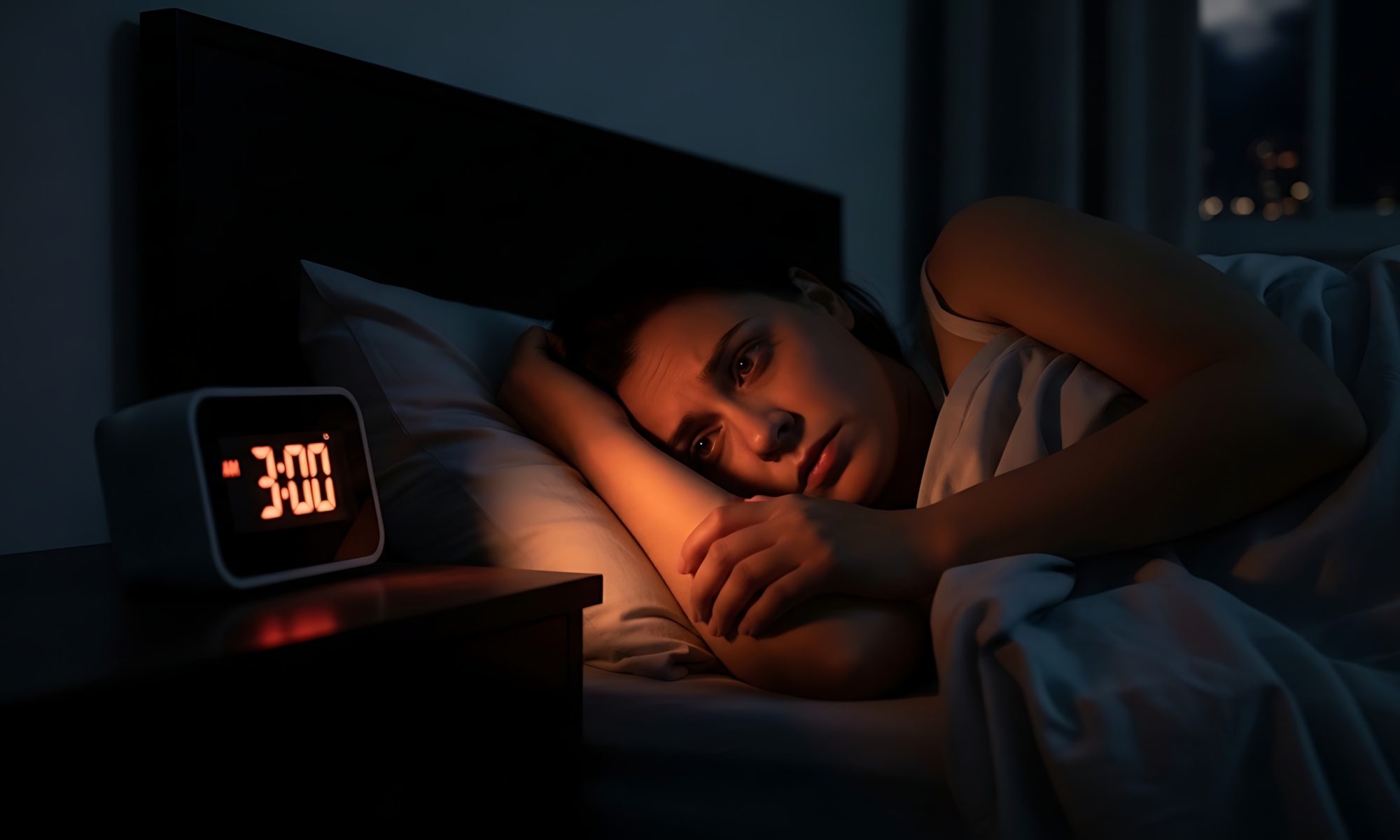
Waking up in the middle of the night can be frustrating, especially when it happens repeatedly. If you often find yourself staring at the clock and asking yourself “Why do I wake up at 3 a.m.?” you’re not alone. Many people experience nighttime awakenings, but when they become frequent, they may signal an underlying sleep or mental health concern rather than simply being “a bad night’s sleep.”
Occasionally waking during the night is normal. However, consistently waking around the same time and struggling to fall back asleep may be linked to chronic insomnia, anxiety, stress, or other medical and psychiatric conditions. Understanding why these awakenings happen by seeking insomnia treatment San Diego patients trust is the first step toward improving your sleep and overall wellbeing.
Why Do You Wake Up at 3 a.m.?
Waking up at 3 a.m. occasionally is common, but waking at the same time every night may indicate an underlying issue such as anxiety, chronic stress, insomnia, depression, medication side effects, or poor sleep habits. A professional evaluation can help you identify the cause and determine the most effective treatment.
Is It Normal to Wake Up during the Night?
Yes. Most people wake briefly several times during the night without realizing it. These awakenings typically occur between sleep cycles and last only a few seconds before you fall back asleep.
The problem begins when you:
- Stay awake for long periods
- Wake feeling anxious or alert
- Wake at the same time every night
- Struggle to fall back asleep
- Feel exhausted the following day
If this pattern continues for several weeks, it may be a sign of chronic insomnia or another underlying condition.
Common Reasons You Wake Up at 3 a.m.
There isn’t one single explanation. Instead, several factors can contribute to frequent nighttime awakenings.
- Anxiety and racing thoughts
One of the most common causes is anxiety.
Even if you don’t feel anxious during the day, your brain may become more active once distractions disappear. Worries about work, finances, relationships, or health often become louder in the quiet hours of the night.
Common symptoms include:
- Racing thoughts
- Restlessness
- Increased heart rate
- Difficulty relaxing
- Feeling mentally “awake” despite being physically tired
- Chronic stress
Stress affects the body’s production of cortisol, often called the stress hormone.
When cortisol levels remain elevated, your body may stay in a heightened state of alertness, making it difficult to remain asleep.
Even positive life events, such as starting a new job or moving, can temporarily disrupt sleep.
- Chronic insomnia
People with chronic insomnia often wake several times throughout the night.
Over time, the brain may begin associating nighttime awakenings with frustration or worry about not sleeping, creating a cycle that becomes increasingly difficult to break.
- Depression
While depression is often associated with sleeping too much, it can also cause frequent nighttime awakenings and early morning waking.
Some individuals notice they consistently wake hours before their alarms and cannot fall back asleep.
- Lifestyle habits
Everyday habits can also interfere with healthy sleep.
These include:
- Drinking caffeine too late in the day
- Alcohol before bedtime
- Using electronic devices before sleep
- Irregular sleep schedules
- Late-night meals
- Lack of physical activity
Small lifestyle changes can often improve sleep quality over time.
- Medical conditions
Certain medical conditions may also contribute to nighttime awakenings.
Examples include:
- Sleep apnea
- Restless legs syndrome
- Chronic pain
- Acid reflux
- Frequent nighttime urination
- Hormonal changes
If medical symptoms accompany disrupted sleep, additional evaluation may be recommended.
Why Anxiety Often Causes 3 a.m. Wake-Ups
Many people notice they wake around 3 a.m. during periods of increased anxiety.
When the brain remains in “fight-or-flight” mode, even while sleeping, it becomes more sensitive to normal sleep transitions.
Instead of moving smoothly into the next sleep cycle, you may wake fully alert.
Once awake, anxious thoughts often make it difficult to return to sleep.
This cycle can eventually lead to chronic insomnia for people in California who don’t seek San Diego anxiety treatment.
How Poor Sleep Affects Mental Health
Sleep and mental health are closely connected.
Consistently interrupted sleep can increase:
- Anxiety
- Irritability
- Difficulty concentrating
- Mood swings
- Depression symptoms
- Emotional sensitivity
- Fatigue
Many people notice that after several nights of poor sleep, everyday challenges feel significantly more overwhelming.
Improving sleep often improves emotional wellbeing as well.
How a Psychiatrist Can Help
When sleep disruption becomes persistent, addressing only the sleep symptoms may not solve the underlying problem.
A psychiatrist evaluates the full picture, including mental health, lifestyle, medical history, and current symptoms.
Treatment may include:
- Medication management
If anxiety, depression, or another psychiatric condition contributes to sleep disruption, medication may be recommended as part of an individualized treatment plan.
The goal is to address the underlying cause—not simply help someone fall asleep for one night.
- Lifestyle recommendations
Simple behavioral changes may significantly improve sleep quality.
These may include:
- Keeping a consistent bedtime
- Avoiding screens before bed
- Limiting caffeine and alcohol
- Creating a relaxing nighttime routine
- Exercising regularly
- Therapy referrals
Many patients benefit from therapy, particularly cognitive behavioral therapy for insomnia (CBT-I), which is considered one of the most effective non-medication treatments for chronic insomnia.
Therapy can also address anxiety, trauma, or depression that may be interfering with sleep.
- Telehealth psychiatric care
Telehealth makes it easier than ever to receive psychiatric care without leaving home.
Patients throughout San Diego and California who seek help from a telehealth psychiatrist can access psychiatric evaluations, medication management, and follow-up appointments through secure virtual visits.
When Should You Seek Professional Help?
It’s time to seek professional evaluation if:
- You wake up during the night several times each week.
- Your sleep problems last longer than a month.
- You’re constantly tired during the day.
- Anxiety or depression accompanies your sleep difficulties.
- Sleep problems affect your work or relationships.
- Over-the-counter sleep aids are no longer effective.
Early treatment often leads to better long-term outcomes.
Better sleep is possible with the right support and personalized care.
Sacred Psychiatric Services offers San Diego telehealth psychiatric services for people throughout California. Psychiatric evaluations, medication management, and personalized treatment plans are available to support individuals experiencing chronic insomnia, anxiety, and other mental health conditions
Frequently Asked Questions
Why do I always wake up around 3 a.m.?
+
Frequent 3 a.m. awakenings may be related to anxiety, chronic stress, insomnia, depression, lifestyle habits, or underlying medical conditions.
Is waking up at 3 a.m. a sign of insomnia?
+
It can be. Waking during the night and struggling to return to sleep is one of the common symptoms of chronic insomnia.
Can anxiety cause nighttime awakenings?
+
Yes. Anxiety increases brain activity and can make it difficult to stay asleep throughout the night.
Can a psychiatrist help with sleep problems?
+
Yes. A psychiatrist can evaluate whether mental health conditions are contributing to sleep disruption and recommend an individualized treatment plan.
Better Sleep Starts with Finding the Cause
+
If you frequently wake at 3 a.m., it’s important to remember that you’re not simply “a light sleeper.” Persistent nighttime awakenings often have an identifiable cause, and effective treatment is available. By understanding what’s disrupting your sleep, you can begin taking steps toward healthier nights and more energized days.