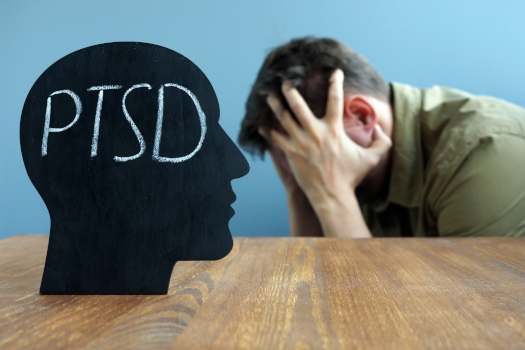
Post-traumatic stress disorder (PTSD) is a mental health condition that can develop after experiencing or witnessing a traumatic event. While many people recover naturally after stressful experiences, others continue to experience persistent symptoms that affect their emotional wellbeing, daily functioning, and relationships.
For individuals seeking PTSD treatment in San Diego, professional psychiatric care can identify symptoms and develop an effective treatment plan. With the right support, individuals living with PTSD can learn strategies to manage symptoms and work toward recovery.
Understanding PTSD and recognizing its symptoms is an important step toward getting help.
What Is PTSD?
Post-traumatic stress disorder is a psychiatric condition that may occur after exposure to a traumatic event. These events may include accidents, violence, military combat, natural disasters, or other situations that involve serious injury or threat.
While it’s normal to feel distress following trauma, PTSD occurs when symptoms persist for weeks, months, or even years and interfere with daily life.
People experiencing PTSD in San Diego may struggle with intrusive memories, emotional distress, or avoidance behaviors that make it difficult to move forward after a traumatic experience.
PTSD affects individuals differently, and symptoms can vary widely depending on the person and the nature of the trauma.
Common Symptoms of PTSD
Symptoms of PTSD generally fall into several categories and may appear soon after a traumatic event or develop later.
Common symptoms may include:
- Intrusive memories or flashbacks
- Distressing dreams or nightmares related to the trauma
- Avoidance of places, situations, or people that trigger memories
- Feeling constantly on edge or hypervigilant
- Difficulty concentrating
- Sleep disturbances or insomnia
- Irritability or emotional outbursts
- Feelings of guilt, shame, or emotional numbness
For many individuals, these symptoms can interfere with work, relationships, and daily activities.
How Trauma Affects Mental Health
Traumatic experiences can have a lasting impact on both the brain and the body. The brain’s threat detection system may remain activated even after the danger has passed.
This heightened stress response can make individuals feel constantly alert or unsafe. Over time, this can lead to difficulties with emotional regulation, sleep, concentration, and interpersonal relationships.
PTSD may also occur alongside other mental health conditions such as:
- Anxiety disorders
- Depression
- Substance use disorders
- Sleep disorders
Because trauma affects individuals in complex ways, comprehensive psychiatric care can be helpful in addressing both PTSD symptoms and related mental health concerns.
Causes and Risk Factors
Not everyone who experiences trauma develops PTSD. Several factors may increase the likelihood of developing the condition.
- Severity and type of trauma – Traumatic events involving personal harm, violence, or prolonged stress may increase the risk of PTSD.
- Personal history – Individuals with previous trauma, childhood adversity, or existing mental health conditions may be more vulnerable to developing PTSD.
- Lack of support – Limited social support following a traumatic event can make recovery more difficult.
- Ongoing stress – Additional life stressors, such as work or relationship difficulties, may worsen symptoms.
Understanding these risk factors can help mental health professionals develop a more effective approach for PTSD treatment in San Diego.
How Is PTSD Diagnosed?
PTSD is diagnosed through a comprehensive psychiatric evaluation. A psychiatrist assesses symptoms, trauma history, and the impact of those symptoms on daily functioning.
During the evaluation, a clinician may examine:
- The nature and timing of traumatic events
- Types and frequency of symptoms
- Emotional and behavioral responses to trauma
- Sleep patterns and concentration difficulties
- Co-occurring mental health conditions
PTSD is typically diagnosed when symptoms persist for more than one month and significantly interfere with a person’s ability to function in daily life.
Accurate diagnosis can guide an effective and individualized treatment plan.
PTSD Treatment Options in San Diego
PTSD is treatable, and many individuals experience significant improvement with appropriate care. Treatment plans often include a combination of therapy, medication management, and psychiatric support.
Trauma-focused therapy
- Therapy is a key component of PTSD treatment. Trauma-focused approaches help individuals process traumatic memories and develop healthier coping strategies.
- These therapies aim to reduce the emotional intensity of trauma-related thoughts and improve emotional regulation.
Medication management
- Psychiatric medications may reduce symptoms such as anxiety, depression, sleep disturbances, and emotional reactivity.
- A psychiatrist evaluates each patient’s symptoms and medical history to determine whether medication may be appropriate.
Medication is typically used as part of a broader treatment plan rather than a standalone solution. It can be a particularly helpful element of insomnia treatment San Diego patients may need to support healthy sleep patterns.
Integrated Mental Health Care
Because PTSD often occurs alongside other mental health conditions, integrated psychiatric care can address multiple aspects of mental health simultaneously.
Comprehensive care may include psychiatric evaluation, medication management, and coordination with therapy providers.
Telehealth PTSD Treatment
Telehealth psychiatry has made mental health care more accessible. Individuals seeking PTSD treatment in San Diego can receive psychiatric support through secure virtual appointments.
Telehealth services may include:
- Psychiatric evaluations
- Medication management
- Follow-up appointments
- Ongoing mental health support
Virtual care allows patients to access treatment from home, which can be especially helpful for individuals who experience anxiety, avoidance behaviors, or difficulty traveling to appointments.
When to Seek Professional Help for PTSD
You may want to consider professional mental health care if:
- Trauma-related memories or flashbacks persist
- Sleep disturbances or nightmares interfere with rest
- Avoidance behaviors disrupt daily life
- Anxiety or emotional distress becomes overwhelming
- Symptoms affect work, relationships, or personal wellbeing
Seeking help early can reduce the long-term impact of trauma and support emotional recovery.
PTSD Treatment at Sacred Psychiatric Services
At Sacred Psychiatric Services, we provide compassionate, comprehensive psychiatric services San Diego patients navigating the lasting effects of trauma and post-traumatic stress disorder can rely on. Every treatment plan is carefully personalized to each patient’s experience and may include a thorough psychiatric evaluation, tailored medication management, and flexible telehealth services available throughout California.
Healing from trauma is possible, and you don’t have to face it alone. Our team is here to help you make sense of what you’re experiencing and find a path forward that supports emotional recovery, stability, and long-term wellbeing. When you’re ready to take that first step, Sacred Psychiatric Services is here for you.