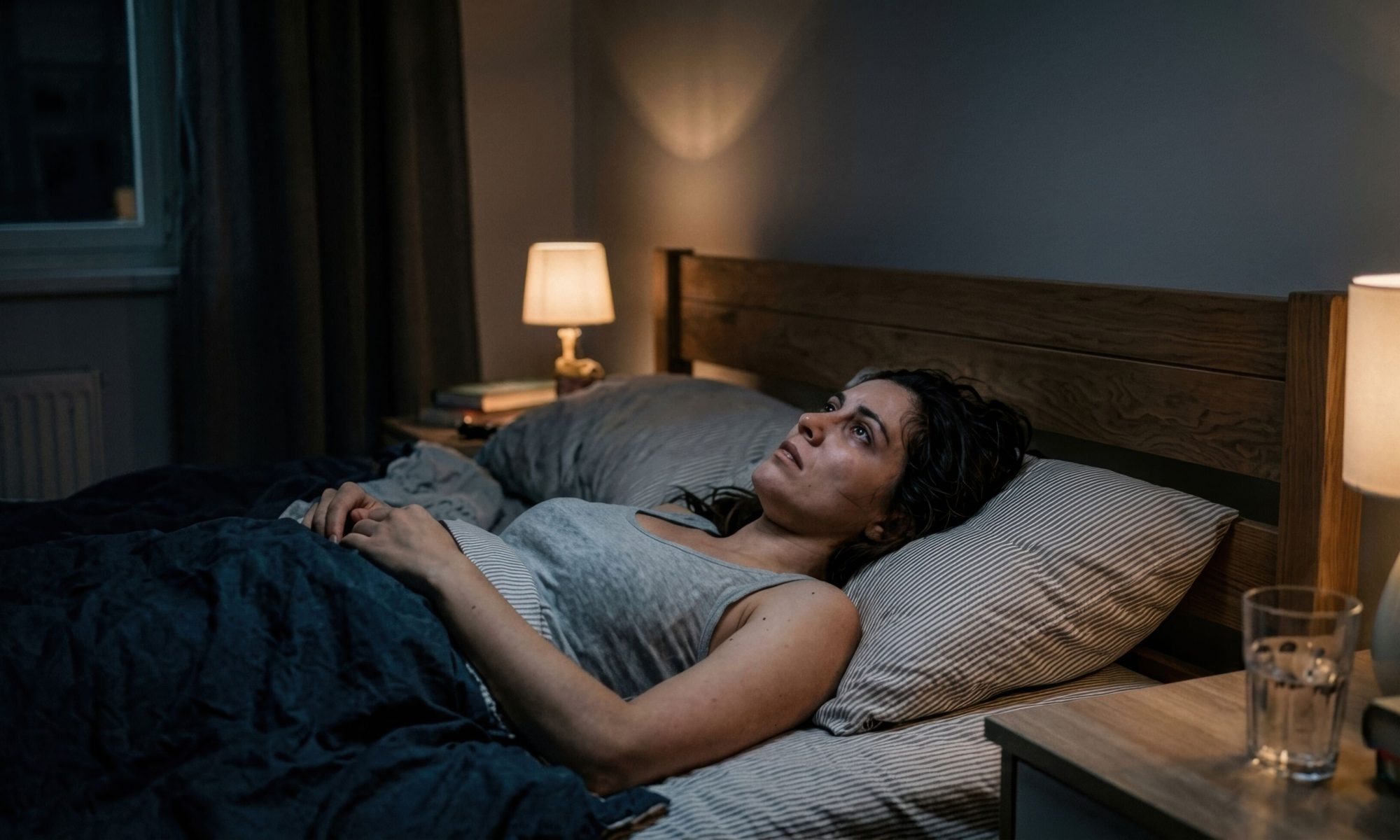
A poor night’s sleep every once in a while is normal. Stress, travel, illness, or major life changes can temporarily disrupt your sleep. However, if sleep problems become frequent or begin affecting your daily life, they may be a sign of an underlying sleep disorder that deserves professional attention. Seeking insomnia treatment San Diego residents trust can make the difference between a temporary rough patch and months of unnecessary exhaustion.
Many people assume sleep disorders are simply part of getting older or living a busy lifestyle. In reality, persistent sleep difficulties can impact both physical and mental health, contributing to anxiety, depression, memory problems, and decreased quality of life. Understanding the different types of sleep disorders can help you recognize when it’s time to seek professional care.
What Are Sleep Disorders?
Sleep disorders are a group of medical and mental health conditions that disrupt normal sleep patterns. While some disorders make it difficult to fall asleep, others cause excessive daytime sleepiness, repeated awakenings, or unusual behaviors during sleep.
Poor sleep isn’t simply an inconvenience. Over time, inadequate sleep can affect concentration, emotional regulation, immune function, heart health, and productivity.
Because sleep and mental health are closely connected, identifying the underlying cause of sleep problems is an important step toward effective treatment.
Common Types of Sleep Disorders
Several different sleep disorders can interfere with healthy sleep.
- Insomnia
Insomnia is the most common sleep disorder. People with insomnia may have difficulty:
- Falling asleep
- Staying asleep
- Waking too early
- Feeling rested after sleeping
Insomnia may be short-term or become chronic when symptoms persist for several months.
- Sleep apnea
Sleep apnea causes repeated pauses in breathing during sleep. Common signs include:
- Loud snoring
- Gasping for air during sleep
- Morning headaches
- Dry mouth
- Excessive daytime fatigue
Because sleep apnea can increase the risk of serious health conditions, it often requires medical evaluation and treatment.
- Restless legs syndrome (RLS)
Restless legs syndrome causes uncomfortable sensations in the legs and an irresistible urge to move them, especially during the evening or while lying down.
Symptoms often improve temporarily with movement but can make falling asleep extremely difficult.
- Circadian rhythm sleep disorders
Your circadian rhythm is your body’s internal clock.
When this rhythm becomes disrupted due to factors like shift work, jet lag, or irregular sleep schedules, you may struggle to fall asleep at appropriate times or stay awake during the day.
- Parasomnias
Parasomnias involve unusual behaviors during sleep, such as:
- Sleepwalking
- Night terrors
- Talking during sleep
- Acting out dreams
Although some parasomnias are harmless, others may require professional evaluation.
How Sleep Disordrs Affect Mental Health
Sleep and mental health influence one another every day.
When sleep is consistently disrupted, the brain has greater difficulty regulating emotions, managing stress, and processing information.
People with untreated sleep disorders may experience:
- Increased anxiety
- Depression
- Mood swings
- Irritability
- Difficulty concentrating
- Poor memory
- Reduced motivation
Likewise, existing mental health conditions such as anxiety, PTSD, ADHD, or depression often contribute to ongoing sleep problems.
This is why psychiatric care frequently includes evaluating both mental health symptoms and sleep quality.
What Causes Sleep Disorders?
Sleep disorders can develop for many different reasons. Possible contributing factors include:
- Anxiety disorders
- Depression
- PTSD
- ADHD
- Chronic stress
- Medical conditions
- Chronic pain
- Certain medications
- Excess caffeine or alcohol
- Poor sleep habits
- Shift work
- Aging
In many cases, more than one factor contributes to ongoing sleep difficulties.
How Are Sleep Disorders Diagnosed?
Diagnosing a sleep disorder begins with a comprehensive evaluation. A psychiatrist or healthcare provider will typically discuss:
- Your sleep schedule
- How long symptoms have been occurring
- Current medications
- Medical history
- Mental health symptoms
- Lifestyle habits
- Stress levels
Depending on your symptoms, additional medical testing or referral to a sleep specialist may be recommended, particularly when conditions like sleep apnea are suspected.
Treatment Options for Sleep Disorders in San Diego
Treatment depends on the specific sleep disorder and its underlying cause. A personalized treatment plan may include:
- Medication management
For some individuals, medications may help them manage anxiety, depression, or other psychiatric conditions contributing to poor sleep.
Medication recommendations should always be individualized and monitored by a qualified psychiatric provider.
- Lifestyle changes
Healthy sleep habits often play an important role in improving sleep quality. Helpful strategies include:
- Maintaining a consistent bedtime
- Limiting caffeine later in the day
- Reducing screen time before bed
- Exercising regularly
- Creating a quiet, comfortable sleep environment
- Behavioral therapy
Many patients benefit from Cognitive Behavioral Therapy for Insomnia (CBT-I), which focuses on changing habits and thought patterns that interfere with sleep.
Therapy may also address anxiety, trauma, or depression contributing to sleep disturbances.
- Telehealth psychiatric care
Telehealth allows patients throughout San Diego and California to receive psychiatric evaluations, medication management, and ongoing mental health care from the comfort of home. Connecting with a telehealth psychiatrist San Diego patients can access virtually removes many of the common barriers to consistent care, including transportation and scheduling conflicts.
When Should You Seek Professional Help?
You should consider seeking professional evaluation if:
- Sleep problems last longer than a few weeks.
- You regularly feel exhausted during the day.
- Sleep difficulties interfere with work or relationships.
- You frequently wake during the night.
- Anxiety or depression accompanies your sleep problems.
- Over-the-counter sleep aids are no longer helping.
- Family members notice loud snoring or breathing pauses during sleep.
Early intervention often leads to better outcomes and prevents sleep problems from becoming chronic.
With the right treatment plan, many people experience significant improvements in both their sleep and mental health.
Sacred Psychiatric Services offers telehealth psychiatric care for patients throughout San Diego and California. Psychiatric evaluations, medication management, and personalized treatment plans are available to support individuals experiencing sleep disorders and other mental health conditions.
Frequently Asked Questions
What’s the most common sleep disorder?
+
Insomnia is the most common sleep disorder and affects millions of adults each year.
Can anxiety cause sleep disorders?
+
Yes. Anxiety is one of the leading contributors to insomnia and other sleep-related difficulties.
Can a psychiatrist help with sleep problems?
+
Yes. Psychiatrists can evaluate whether mental health conditions such as anxiety, depression, PTSD, or ADHD are contributing to sleep disturbances and recommend appropriate treatment.
Can telehealth appointments treat sleep disorders?
+
Yes. Many patients receive psychiatric evaluations, medication management, and follow-up care through secure telehealth appointments.
Better Sleep Starts with Understanding the Cause
+
Sleep is essential for both physical and mental wellbeing. If you’re struggling to get consistent restorative sleep, it’s important to remember that ongoing sleep problems aren’t something you simply have to live with. Identifying the underlying cause is the first step toward improving your sleep and your overall quality of life.